- Mon, Tue, Thu: 9:00 AM - 6:00 PM | Wed: 9:30 AM - 6:00 PM | Fri: 12:00 - 3:00 PM
- 212-481-4151

When standard antidepressants fail to lift the fog, treatment options include switching, combining, or augmenting medications, adding structured psychotherapy, using neuromodulation, and turning to rapid-acting therapies like IV ketamine, ketamine-assisted psychotherapy, and Spravato (esketamine). These treatments target different neural pathways than first-line drugs and are not one-size-fits-all.
The feeling of being stuck is a medical problem, not a personal failure. The right next step depends on your symptoms, history, and a careful diagnosis.
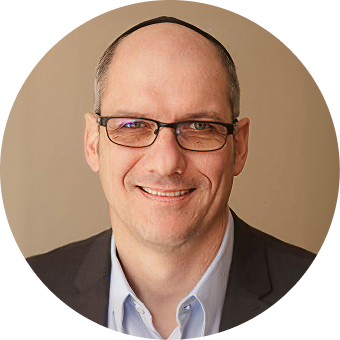
Dr. Alfredo Nudman specializes in these advanced treatment options, drawing on 35 years in the field and academic medicine.
Treatment-resistant depression (TRD) describes major depressive disorder (MDD) that has not improved enough after at least two antidepressant trials. Each trial must have been at a sufficient dose, for long enough, and taken as prescribed.
“Not improved enough” is personal. It can mean:
Little change, only partial improvement, or a brief lift that fades
Persistent low mood, emptiness, low energy, or inability to feel pleasure
Sleep, appetite, energy, and concentration that stay off
A medication that once worked is no longer effective
Side effects from multiple medications become intolerable
Repeated episodes, or one long episode that never fully lifts
People with TRD may still work, parent, or perform daily tasks. TRD is more common than many people think. A clear diagnosis matters because depression can overlap with bipolar disorder, anxiety disorders, OCD, PTSD, addiction, chronic pain, personality disorders, and medical conditions. If the diagnosis is incomplete, the treatment plan will be incomplete too.
Depression treatment starts with careful evaluation and psychopharmacology follow-up, along with IV ketamine and Spravato for people who have not responded to standard oral antidepressants. Dr. Alfredo Nudman is a psychiatrist known as an outstanding diagnostician and psychopharmacologist, and as one of the pioneers and early physicians to use IV ketamine infusions for depression and anxiety.
Once TRD is on the table, the question is not “Is there any hope?” It is “Which path fits this person?” Options fall into medication changes, psychotherapy, brain stimulation, and rapid-acting treatments that work on different brain systems than typical oral antidepressants.
Before moving to novel therapies, a psychopharmacologist may switch, combine, or augment – rather than repeating the same class of drug. Dr. Nudman’s expertise as a psychopharmacologist is central to this process.
Switching: Move to a different antidepressant in the same class (one SSRI to another) or to a different class (SSRI to an SNRI or a tricyclic antidepressant), especially if a serotonin-focused drug did little.
Augmentation: Keep the antidepressant and add a second agent to boost its effect. Common options include lithium, certain mood stabilizers, low-dose atypical antipsychotics, thyroid hormone in selected cases, and other targeted add-ons.
Combination: Use two antidepressants from different classes together. This requires deep pharmacology knowledge to do safely.
Psychopharmacology follow-up is not a one-visit event. Doses are adjusted, side effects are weighed, and sleep, energy, appetite, and suicidal thinking are tracked. For bipolar disorder, the plan may center on mood stabilizers rather than antidepressant stacking. For anxiety or OCD alongside depression, the medicine list looks different again.
Medication is rarely a complete solution. For TRD, psychotherapy is often part of what makes other treatments stick – not a consolation prize when pills fail.
Different therapies target different problems:
Cognitive Behavioral Therapy (CBT): Catch and change thought loops that keep mood low
Behavioral activation: Rebuild action when energy is gone
Dialectical Behavior Therapy (DBT): Stronger coping skills and emotion regulation
Psychodynamic therapy: Process underlying emotional conflicts
Interpersonal therapy: Role changes, loss, and conflict
Trauma-focused work: Essential when PTSD sits under the depression
Exposure-based methods: Often more useful for OCD than open-ended talk alone
Therapy also helps with the practical side of TRD: tracking symptoms, staying with a plan, handling the lag before a treatment works, talking with family, and processing the grief of “I did everything I was told, and I still feel this way.”
Ketamine-assisted psychotherapy is a distinct form of this work. It pairs ketamine with structured therapy, so new perspectives and hard emotions can be explored in a supported setting. Psychotherapy does not replace a needed medical treatment, and it should not be skipped just because a medical treatment is in play.
When medicines and therapy have not been enough, some people look at treatments that act more directly on brain circuits.
TMS uses magnetic pulses delivered through a coil placed against the scalp to stimulate areas of the brain associated with mood regulation. It is non-invasive, does not require anesthesia, and is typically given in daily sessions over several weeks. Most people return to normal activities immediately after each visit, and the most common side effect is mild scalp discomfort or headache during treatment.
ECT remains one of the most effective treatments for severe or life-threatening depression, particularly when rapid response is critical or other options have not worked. A brief, controlled electrical stimulus is delivered to the brain under general anesthesia, inducing a short seizure that helps reset mood-regulating circuits. Modern ECT is closely monitored and administered in a hospital or clinical setting, with a course typically involving multiple sessions over a few weeks.
VNS involves a small device, implanted under the skin, that sends regular electrical pulses to the vagus nerve, which in turn communicates with brain regions involved in mood. It is generally considered for people with chronic, severe TRD who have not responded to multiple other treatments, including medications, therapy, and sometimes ECT. Because it requires a minor surgical procedure, it is typically reserved as a longer-term option after other approaches have been thoroughly tried.
A major shift in TRD care is speed. Typical oral antidepressants can take weeks. Rapid-acting treatments often target the glutamate system and can change symptoms in hours to days for a subset of people. Dr. Nudman is at the forefront of providing these therapies.
Ketamine was developed as an anesthetic. At lower, sub-anesthetic doses, it has been found to produce powerful, rapid antidepressant effects. It does not act like an SSRI. It modulates glutamate – the brain’s most abundant excitatory neurotransmitter – and is thought to trigger synaptogenesis, the formation of new connections between brain cells, which can help “rewire” circuits affected by depression.
For some people, that means a noticeable lift in mood, a drop in suicidal thinking, or a return of interest. Ketamine is not a cure-all and not for every diagnosis. It is a targeted option after psychiatric evaluation.
Intravenous (IV) ketamine is the most studied method of ketamine treatment for depression. A carefully calculated, sub-anesthetic dose is delivered into the bloodstream over about 40–60 minutes in a medically supervised setting, allowing 100% bioavailability and precise dose control.
Used for certain mood disorders when oral antidepressants have not achieved enough
Given as a series of visits with follow-ups – not a take-home pill or a one-time event with no aftercare
Many people report significant symptom reduction within hours to days, a stark contrast to the weeks or months traditional antidepressants can take
Patients receive IV ketamine in a safe, monitored environment at our practice, alongside diagnostic psychiatric evaluations and psychopharmacology follow-ups. Dr. Nudman’s pioneering work means patients are guided by one of the most experienced practitioners in the field.
Ketamine-assisted psychotherapy (KAP) combines ketamine’s neurobiological effects with the processing power of psychotherapy. In the KAP model, ketamine sessions are bookended by therapy sessions.
The non-ordinary state of consciousness can lower psychological defenses, loosen rigid thought patterns, reduce emotional freeze, facilitate new perspectives, and allow processing of trauma, grief, or stuck self-beliefs. Insights are then integrated with a therapist so biochemical changes can become lasting psychological growth.
KAP is a medical treatment that requires screening. It is not recreational use, and it is not unstructured talk while under the influence of a drug. For some people with TRD, it is the bridge between a brief lift and a lasting change in how they relate to their symptoms.
Spravato is the brand name for esketamine, a molecule derived from ketamine, administered as a nasal spray. It is FDA-approved and may be more accessible for some people. It is a prescription treatment given in a certified clinical setting – not picked up and used at home without supervision.
Patients self-administer the spray under medical supervision and must be monitored in the office for at least two hours after administration. Both Spravato and IV ketamine act on glutamate pathways and can work faster than typical oral antidepressants, but they are not identical: the molecule, route, setting rules, and protocols differ.
Spravato is specifically for:
Adults with treatment-resistant depression
Adults with major depressive disorder who are experiencing acute suicidal thoughts or behaviors, as defined by clinical criteria
Spravato is not a first-line antidepressant. Follow-up matters, and an oral antidepressant may remain part of the broader regimen. The useful questions are: Does my history fit? Has the diagnosis been confirmed? What else is going on with anxiety, PTSD, or bipolar spectrum symptoms? How will we measure whether this is working?
Nitrous oxide is another agent studied for mood and anxiety and used by Dr. Nudman among treatments for depression and anxiety. It is delivered in low, carefully controlled concentrations through a mask in a monitored office setting, and its effects tend to wear off quickly once administration ends. For some patients, it offers another rapid-acting option to weigh alongside IV ketamine and Spravato when standard antidepressants have not been enough.
With a growing number of options, the most important step is collaborative decision-making with a qualified specialist – following a sequence instead of jumping at the newest name.
Start with the diagnosis. Is this unipolar major depression, bipolar depression, depression plus PTSD, OCD, or addiction? The label changes the tools. A psychiatrist who spends time on diagnosis is not delaying care.
Audit the trials. List every antidepressant, dose, duration, and result, plus whether therapy was a real course. Many people who feel they have “tried everything” have tried several drugs in the same class at modest doses.
Match intensity to severity. Functioning but still depressed may mean that there is a need to optimize medicine and add therapy. Multiple failed full trials may bring IV ketamine or Spravato into the conversation. Rapid-acting treatments like IV ketamine may be prioritized in acute crisis.
Match the mechanism. If serotonin drugs have failed, repeating a near-copy of the same mechanism may waste time. Glutamate-based treatments, augmentation, or neuromodulation may be more rational. If trauma or rigid beliefs are central, KAP or another therapy-forward plan may matter as much as the molecule.
Weigh patient preference. Some people prefer a non-invasive option; others are drawn to the potentially transformative psychological experience of KAP.
Define success. Better sleep? Less suicidal thinking? Return to work? Ability to feel pleasure? If you cannot name the target, you cannot tell whether a treatment is working.
Get an expert evaluation. Dr. Nudman offers a 60-minute full evaluation for new patients to establish an accurate diagnosis and a personalized plan. For those specifically interested in ketamine, a complimentary 15-minute consultation is available.
Advanced treatments are most effective as part of a holistic approach. Lifestyle steps do not replace treatment for TRD. They make treatment more likely to hold.
Consistent sleep: A regular sleep and wake time, morning light, and a plan for insomnia should sit next to whatever medical option you choose. If sleep is the main remaining symptom after mood improves, say so.
Balanced nutrition: Whole foods, omega-3 fatty acids, and nutrients support brain function. Food and daylight often collapse first in TRD; rebuilding them is part of recovery.
Regular movement: Exercise is a well-documented antidepressant. A daily walk is not a cure, but a small, repeatable action can restore rhythm. People in a deep episode cannot exercise their way out.
Mindfulness and stress reduction: Meditation or yoga can help regulate the nervous system and build resilience.
Social connection: Fighting isolation is critical. Structure is medicine’s partner.
Alcohol and other substances: They disrupt sleep, worsen anxiety, and can undo a medicine plan. If addiction is part of the picture, it needs its own place in care. The same is true for chronic pain.
Tracking: A simple daily note on mood, sleep, energy, and interest tells you more than memory does. Bring that record to follow-up visits.
Treatment-resistant depression means standard antidepressants have not been enough, not that nothing will help. The options that work are specific: a corrected diagnosis, smarter medication strategy, real psychotherapy, neuromodulation when it fits, and rapid-acting treatments such as IV ketamine, ketamine-assisted psychotherapy, and Spravato.
At our practice in Cedarhurst, NY, Dr. Nudman provides a sanctuary for those who have felt left behind by conventional care. By combining 35 years of experience, renowned diagnostic acumen, and pioneering expertise in ketamine therapies, he offers a personalized, sophisticated approach to finally lift the burden of TRD.
If you are ready to explore a new path toward wellness, a specialized consultation is the first step toward reclaiming your life.
About the Author
Alfredo Nudman, MD
September 7, 2026
