Most people with chronic pain need a series of about six infusions over a two- to three-week period to feel meaningful relief, often followed by periodic “booster” or maintenance infusions to sustain the benefits. The exact number depends on your condition, how severe it is, and how you respond. In this guide, we’ll explain how ketamine infusion therapy works, who may benefit, and what to expect.
Â
At his Cedarhurst, NY practice, Alfredo Nudman, MD, leverages 35 years of experience in academic medicine and psychopharmacology — including time at Cornell University Medical School — to create highly customized IV ketamine protocols. As an early pioneer in the use of Ketamine Infusions for complex conditions, Dr. Nudman begins every patient relationship with a thorough diagnostic evaluation to determine the most appropriate course of care.
Â
Chronic pain can change a person’s whole life, affecting sleep, mood, work, and relationships. When standard treatments — over-the-counter medicine, opioids, or physical therapy — fall short after months or years, IV ketamine offers a different path. It is not a first-line treatment but an advanced intervention for specific, challenging cases.
Â
Ketamine is a medication used safely in medical settings for decades. First known as an anesthetic, it was later found to ease certain types of pain and improve mood at much lower, sub-anesthetic doses.
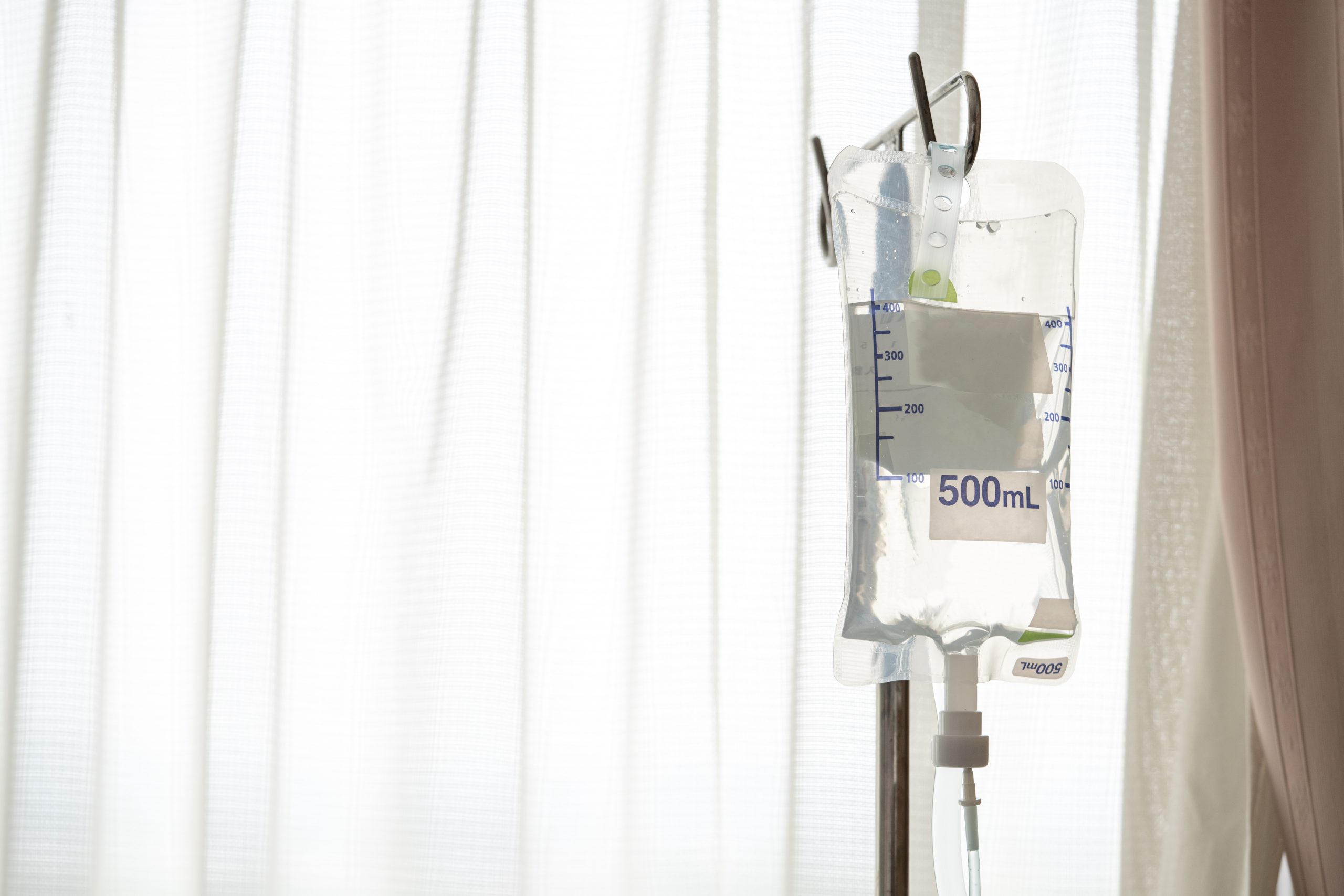
Delivered through an IV line directly into the bloodstream in a controlled clinical setting, under the supervision of an experienced physician like Dr. Nudman.
The slow, steady delivery allows the medication to reach pain other drugs cannot.
Because the dose is far below surgical levels, patients stay awake and aware, though they may feel relaxed or notice a floating sensation.
Administered intermittently rather than daily — the goal is to reset how the nervous system processes pain, not just mask it temporarily.
This is one of the advanced clinical specialties offered at the practice, reflecting Dr. Nudman’s commitment to cutting-edge, evidence-based treatment for patients.
Â
In many chronic pain states, especially neuropathic pain, the nervous system becomes overly sensitive. Pain signals get “stuck on” — like a volume knob turned up too high and unable to turn back down — so even small triggers cause big pain.
Ketamine’s primary target is the N-methyl-D-aspartate (NMDA) receptor, which plays a key role in how pain signals are amplified.
By blocking these overactive receptors, ketamine interrupts the transmission of pain signals and “reboots” certain neural circuits.
The process is believed to promote neuroplasticity — the growth of new synapses that can restore healthier nerve function and create long-term changes in how pain is perceived.
This synaptic regeneration is also a key mechanism behind ketamine’s antidepressant effects, which is especially relevant for patients with co-occurring depression and anxiety. Dr. Nudman’s expertise as a psychopharmacologist is invaluable in navigating this interplay between pain and mood.
Â
Ketamine shows the most promise for pain with a neuropathic component — pain originating from nerve damage or dysfunction. Conditions that may respond well include:
Complex Regional Pain Syndrome (CRPS): A severe, chronic condition that often follows an injury and typically affects an arm or leg. Ketamine is considered one of the most effective treatments for its intense, burning pain.
Fibromyalgia: Widespread musculoskeletal pain with fatigue, sleep, memory, and mood issues. Ketamine can help reduce the central sensitization that is a hallmark of the condition.
Neuropathic Pain: Nerve-related pain causing burning, shooting, or electric-shock sensations, including diabetic neuropathy and nerve damage from injury or surgery.
Phantom Limb Pain: Pain that feels like it’s coming from a limb that has been removed.
Trigeminal Neuralgia: Extreme, sporadic, sudden burning or shock-like face pain affecting the trigeminal nerve.
Postherpetic Neuralgia: Lasting nerve pain after shingles.
Chronic Migraine: For some with intractable migraines that don’t respond to other treatments, ketamine can help break the pain cycle.
The decision to use ketamine is made only after a comprehensive diagnostic evaluation to confirm the nature of the pain.
Â
The ideal candidate is typically someone struggling with a severe, treatment-resistant form of one of these conditions who has already explored more standard interventions without adequate relief.
Â
As a renowned diagnostician, Dr. Nudman’s first step is always to establish an accurate diagnosis. Key indications include:
Treatment-resistant pain: Multiple other treatments — physical therapy, nerve blocks, oral medications (like gabapentin or duloxetine), and possibly opioids — have failed to provide lasting relief.
Neuropathic pain dominance: The pain has clear neuropathic characteristics (burning, shooting, electrical sensations).
Significant functional impairment: Pain is severely affecting quality of life, work, sleep, social functioning, and overall well-being.
A desire to reduce reliance on opioids.
Co-occurring mood disorders: Many chronic pain patients also suffer from depression, anxiety, or PTSD. Given Dr. Nudman’s background as a psychiatrist and his pioneering work using ketamine for depression, he is uniquely qualified to treat patients where pain and mood intersect.
To explore whether you are a candidate, Dr. Nudman offers a complimentary 15-minute consultation specifically for individuals interested in IV ketamine treatment.
Â
Neuropathic pain is particularly challenging because it doesn’t respond well to traditional painkillers like ibuprofen or even opioids. The pain isn’t caused by tissue inflammation—it comes from a malfunction in the nerves themselves, which send faulty signals to the brain.
Â
By directly targeting the NMDA receptor and the mechanism of central sensitization, ketamine addresses the root cause in a way other medications cannot. Patients often describe relief not just as a reduction in intensity but as a change in the character of the pain—the burning or electrical sensations may lessen or disappear entirely.
Â
There is no single, one-size-fits-all ketamine protocol. An effective plan must be customized, drawing on clinical evidence and the provider’s deep experience. With 35 years in academic medicine, Dr. Nudman develops protocols that are both safe and optimized for each patient.
Â
The doses used for pain management are very low — far below surgical anesthesia. The goal is the therapeutic effect on the NMDA receptors, not loss of consciousness.
Patients remain awake and aware, though they may experience dissociative effects — a feeling of detachment, altered perceptions of time and space, or vivid dreams.
These effects are temporary and resolve shortly after the infusion ends.
The dose is carefully calculated based on body weight and delivered over a set period, often ranging from about 40 minutes to several hours depending on the plan.
The entire process takes place in a calm, comfortable, medically supervised environment.
Ketamine Infusions for chronic pain are usually scheduled as a series rather than a single session, because the nervous system needs repeated exposure to “unlearn” entrenched pain patterns. A typical pain infusion runs longer than one for depression, often several hours, delivered slowly via a calibrated infusion pump. Heart rate, blood pressure, and oxygen saturation are continuously monitored.
Â
Dr. Nudman’s approach is methodical:
Start with a diagnostic evaluation: To confirm the diagnosis and ensure ketamine is appropriate.
Establish a personalized protocol: Including dose, infusion duration, and the number and frequency of sessions.
Monitor and adjust: Response to the first one or two infusions is closely watched, and the protocol is refined based on relief achieved and any side effects.
A growing body of research supports low-dose Ketamine Infusions for various chronic pain syndromes, especially CRPS and other neuropathic pain states. Studies show a series can provide significant, sustained relief for weeks or even months.
Some patients experience profound, long-lasting relief after the initial series; others see more modest results or need more frequent maintenance.
The goal is at least a 50% reduction in pain along with improved function and quality of life.
A smaller number of patients may not respond much at all — ketamine is not a cure, but for the right patient it can be life-changing.
Dr. Nudman’s expertise as a psychopharmacologist allows him to interpret this data and apply it to the real-world complexities of individual care. The Request Appointment page is the starting point for exploring whether the treatment fits your situation.
Â
The answer divides into two main phases: an initial induction phase and an ongoing maintenance phase.
Â
While every plan is customized, a common protocol looks like this:
Induction phase: The initial series designed to “load” the system, reset pain pathways, and break the cycle of chronic pain. Many plans include about six infusions over a two- to three-week period, scheduled a few times per week; more intensive protocols may run 5 to 10 infusions over 2 to 4 weeks, and some involve daily infusions for five consecutive days.
Maintenance phase: After induction, the focus shifts to sustaining results with “booster” infusions. A patient might initially need one every 3 to 4 weeks; if relief holds, intervals can extend to every 6 weeks, 2 months, or longer. The goal is the minimum frequency needed to keep pain low and maintain function.
So when asking how many ketamine infusions for chronic pain are necessary, the honest answer is not a single number but a structured course — usually around six in the initial series —that evolves over time based on how your body responds. Some people feel relief after just a few infusions; others need the full series before noticing a clear change.
Â
The protocol Dr. Nudman designs will be influenced by:
Type and severity of pain: CRPS and neuropathic pain often require more intensive, prolonged protocols and ongoing maintenance.
Duration of the condition: Pain rooted over many years may need more infusions to achieve a reset than newer pain.
Response to initial infusions: Perhaps the most important factor — pain scores and functional improvements after the first few sessions guide adjustments to dose or duration.
Co-occurring conditions: Depression, anxiety, or PTSD can shape both the plan and the response; Dr. Nudman’s dual expertise is critical here.
Overall health: Age, general health, and other medications are all considered.
Goals of treatment and tolerance over time: Whether the aim is short-term relief or long-term management, and how maintenance spacing may need adjusting as treatment continues.
A treatment plan is a living thing — reviewed and refined as you go.
Â
For the right patient, the benefits can be transformative:
Rapid, significant pain relief: Often noticeable within hours or days of the first infusion.
Sustained relief: A series can provide relief lasting weeks or months.
Improved function and quality of life: Less pain means better sleep, more activity, and a return to hobbies, exercise, and social events.
Reduced reliance on other medications: Many patients lower or eliminate use of other pain drugs, particularly opioids.
Improved mood: Thanks to ketamine’s antidepressant effects, patients often report greater hopefulness and an improved outlook.
The connection between pain and mood is one reason ketamine is so valuable—and why pain management and mental health are both addressed under the same roof at the practice. Because the procedure is performed under constant monitoring, they can be managed effectively. Common transient effects include:
A floating, dreamlike, or dissociated feeling
Mild dizziness or blurred vision
Nausea or vomiting (manageable with anti-nausea medication given beforehand)
A temporary rise in blood pressure or heart rate
Drowsiness or fatigue
Most people feel back to normal within a short time, though you’ll need someone to drive you home and should avoid important decisions for the rest of the day. Dr. Nudman discusses these effects in detail during the initial consultation.
Â
A successful outcome begins with thorough preparation and a clear understanding of the process.
Â
The journey starts with a comprehensive medical and psychiatric evaluation. As the practice emphasizes, a successful healing process always begins with accurately diagnosing the problem — only then can a treatment plan be customized.
Â
During this evaluation, Dr. Nudman reviews your medical history, current medications, past treatments, and the nature of your pain. Come prepared with your questions and your goals, whether reducing pain, cutting back on other medications, or improving daily life. You can learn more about the practice and its approach before your visit.
Â
To ensure safety and comfort, patients typically receive these instructions:
Eating lightly: Avoid solid food for several hours before the infusion and follow any specific instructions about food and drink.
Medication review: Share a complete list of medications and supplements; Dr. Nudman will advise on any to avoid on treatment day.
Arrange a ride: You will not be able to drive yourself home afterward.
Wear comfortable clothing: You’ll be seated or reclining for the duration.
Clear your schedule: Plan to rest for the remainder of the day.
If you have questions, the FAQ page and a direct conversation with the office can provide clarity.
Â
Dr. Nudman’s Cedarhurst office is designed to feel safe, calm, and private. You’ll be settled into a comfortable chair, and a small IV line is placed in your arm or hand. The infusion is delivered by a pump ensuring a slow, steady, precise dose, and can last several hours for a pain protocol.
Â
You may feel relaxed or notice a gentle floating sensation — a normal part of the experience. You can listen to calming music, rest, or simply relax, and your vital signs are monitored the whole time. When the infusion ends, you’ll have a short period to recover before heading home with your driver. Over the course of your series, Dr. Nudman tracks your response and adjusts the plan as needed.
Â
Ketamine Infusion Therapy offers real hope for people with severe, debilitating chronic neuropathic pain that hasn’t responded to standard treatments. Most patients begin with a series of about six infusions over two to three weeks, often followed by maintenance sessions. It is a powerful, advanced intervention that, in expert hands, can break the cycle of pain and restore quality of life.
Â
Consider IV ketamine if you’ve lived with chronic pain for months or years, have tried standard treatments without adequate relief, and want to explore a different approach. It can be especially valuable for neuropathic pain and for those whose pain comes alongside depression or anxiety.
Â
The journey to relief begins with an expert evaluation. With 35 years of experience at institutions like Cornell University Medical School and his pioneering role in IV ketamine therapy, Dr. Alfredo Nudman is exceptionally qualified to determine if this treatment is right for you.
Â
To learn more and begin the conversation, we invite you to Request Appointment for your complimentary 15-minute ketamine consultation, or reach out to the office in Cedarhurst, NY.

About the Author
Alfredo Nudman, MD

June 28, 2026